What should you do first when you see ceiling water damage?
When you see ceiling water damage, the first step is to treat it like an active water loss until proven otherwise. A brown stain, soft drywall, bubbling paint, dripping seam, or sagging ceiling can mean water is still moving above the room. Move furniture and electronics out of the affected area if it is safe, place a container under active drips, and avoid standing under any ceiling section that looks swollen or bowed.
The next step is source control. If the leak is below a bathroom, laundry room, water heater, or supply line, shut off the nearest valve or the main water valve. If the damage follows a storm or roof event, the roof or attic may need emergency protection before interior drying can work. If electrical fixtures, recessed lights, fans, or outlets are wet, avoid using them until the area is checked. Water in a ceiling cavity can contact wiring, insulation, framing, and fixtures before it reaches the surface.
Take photos before touching damaged materials. Photograph the stain, drip path, wet flooring, furniture, attic area if accessible, and any room above the ceiling. Write down when the damage appeared, whether it is growing, and what weather or plumbing use happened nearby. Those details help the plumber, roofer, restoration team, and insurance adjuster understand the loss.
For Oklahoma City homeowners, Trustworthy Restoration can inspect the affected area, map moisture, protect the room, and start controlled drying after the source is addressed. The main water damage restoration process explains how source control, drying, documentation, and repairs fit together.
How can you tell if ceiling drywall is unsafe after a leak?
Ceiling drywall may be unsafe after a leak when it sags, feels soft, separates at seams, shows bubbling paint, drips steadily, or carries wet insulation above it. A ceiling can hold water for a period of time and then release suddenly. If the ceiling is bowed, cracked, or actively dripping from multiple points, stay out from underneath it and call for professional help.
Not every stain means the ceiling is about to collapse, but every ceiling stain deserves inspection. Drywall is a porous material. Once it absorbs water, it loses strength and can hide moisture on the back side. The paper facing may stay damp even when the room side begins to look dry. If insulation above the ceiling is wet, it can add weight and hold moisture against the drywall and framing.
Ceiling fixtures create extra concern. Water around recessed lights, chandeliers, ceiling fans, smoke detectors, or attic wiring should be handled carefully. Do not turn fixtures on to test them. Do not remove a light cover while standing under a swollen ceiling. If the leak has affected electrical components, the restoration plan may need coordination with an electrician.
A restoration inspection uses moisture meters, visual checks, and sometimes controlled access to decide whether the ceiling can dry in place or whether damaged material should be removed. The goal is not to cut unnecessary holes. The goal is to avoid leaving wet drywall, insulation, or framing trapped above the room.
If the leak began after severe weather, the guide to roof leak water damage after OKC storms explains why exterior source control and interior drying need to happen together.
Where does ceiling water damage usually come from in Oklahoma City homes?
Ceiling water damage in Oklahoma City homes usually comes from roof leaks, plumbing lines, bathroom fixtures, HVAC drain issues, appliance leaks, attic condensation, or storm-related openings. The location of the stain gives clues, but it does not always identify the true source. Water can travel along framing, ducts, pipes, and ceiling joists before it appears below.
If the stain is under a bathroom, the source may be a toilet wax ring, tub overflow, shower pan, supply line, drain line, or caulk failure. If the stain is under an attic or roof slope, the source may be wind-driven rain, damaged shingles, flashing, roof penetrations, or attic plumbing. If the stain appears near an HVAC closet or ceiling register, condensation drain problems or duct sweating may be involved.
Oklahoma weather makes roof-related ceiling damage especially common. Wind, hail, heavy rain, and rapid temperature swings can expose weak flashing or roof penetrations. A storm may create a small opening that sends water into insulation and ceiling drywall long before water reaches the floor. That is why a ceiling leak after a storm should be inspected both outside and inside.
Plumbing-related ceiling leaks need source control from a plumber, while roof-related leaks may need a roofer or temporary roof protection. Trustworthy Restoration focuses on the interior water damage: moisture mapping, safe material removal when needed, drying, odor prevention, and documentation. The storm damage restoration page explains how storm-driven water problems are handled when the exterior source is part of the loss.
Can ceiling water damage dry without cutting out drywall?
Ceiling water damage can sometimes dry without cutting out drywall, but only when the material is structurally sound, the source is stopped, moisture is limited, and wet insulation is not trapped above it. Drying decisions should be based on readings and material condition, not on appearance alone.
If the stain is small, the drywall is firm, and the cavity above is accessible and dry, controlled drying may be possible. If the drywall is sagging, delaminated, crumbling, contaminated, or holding wet insulation, removal is usually the safer path. Wet insulation can slow drying and add weight. A sealed ceiling cavity can trap humidity even after the visible surface looks dry.
Professionals may use targeted access, air movement, dehumidification, and cavity drying to remove moisture. Sometimes a small controlled opening is enough to inspect and dry the cavity. Other times, a larger damaged section must be removed so framing and surrounding materials can dry correctly. The decision should be documented with photos and moisture readings.
Homeowners should be careful with household fans. Airflow can help when the source is controlled and the moisture path is understood, but it does not remove hidden water by itself. A room may feel dry while the back side of drywall, insulation, or framing remains wet. Painting over a stain before the ceiling is verified dry can trap moisture and hide a problem that later becomes visible again.
For more detail on the difference between stopping damage and restoring materials, see water mitigation versus restoration.
How does Trustworthy Restoration repair ceiling water damage?
Trustworthy Restoration repairs ceiling water damage by first identifying the affected materials, protecting the room, documenting the loss, and setting a drying or removal plan based on moisture readings. The exact repair path depends on the source, how long the ceiling was wet, whether insulation is involved, and whether drywall has lost strength.
The inspection starts with visible conditions: staining, sagging, peeling paint, active dripping, damaged trim, wet flooring, and affected contents. The team then checks moisture patterns around the ceiling, nearby walls, attic access if available, and rooms above the damage. When the water source is plumbing-related, a licensed plumber may need to repair the leak before drying can finish. When the source is roof-related, temporary protection or roof repair may be needed.
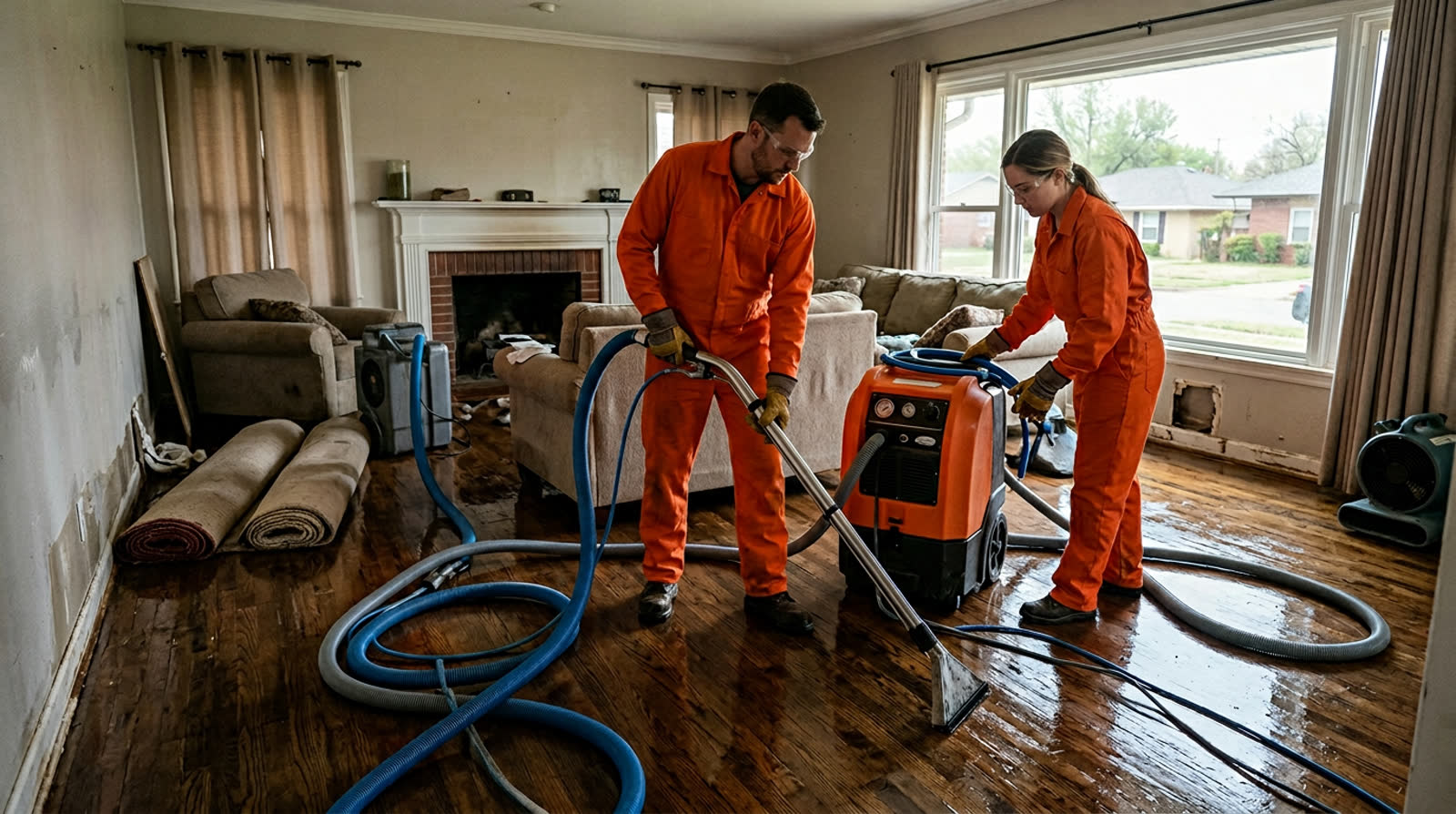
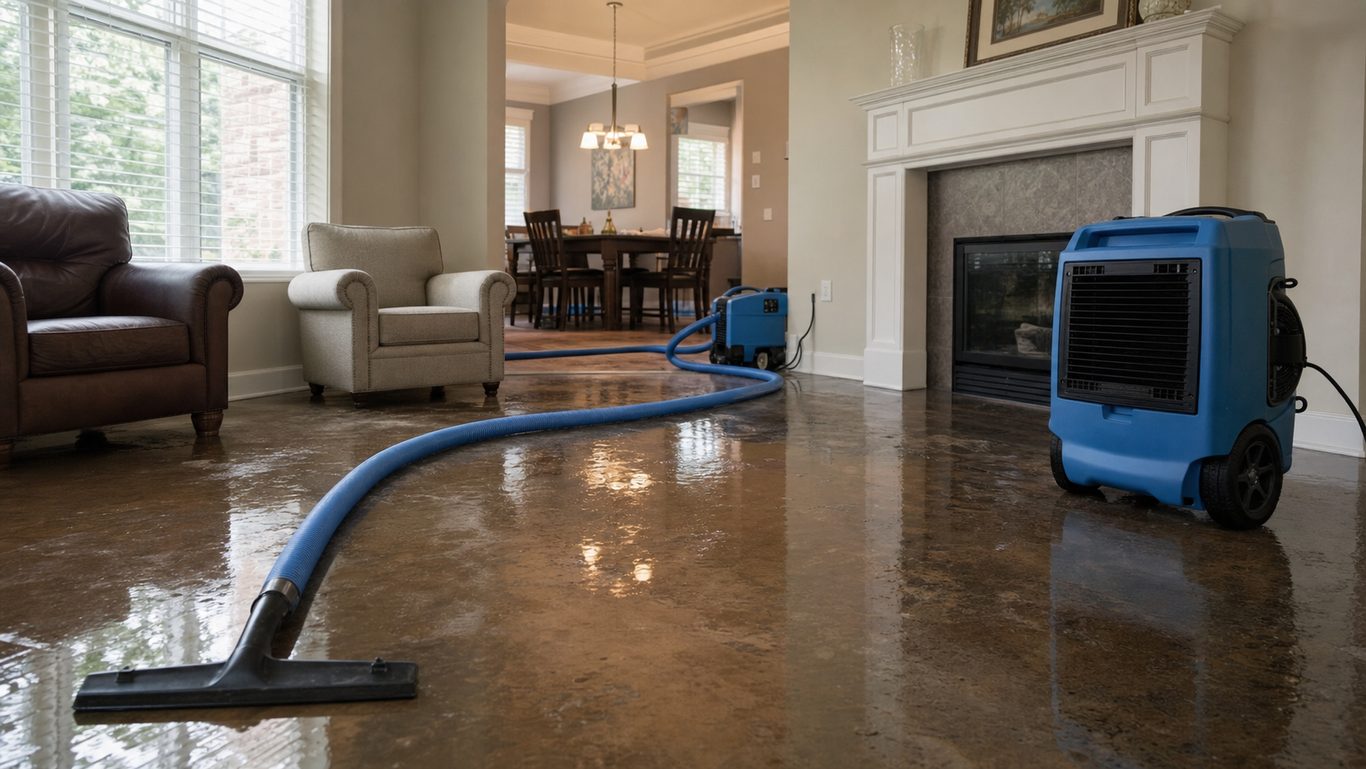
Once the source is controlled, the restoration plan may include contents protection, floor protection, plastic sheeting, controlled demolition, insulation removal, air movers, dehumidifiers, and monitoring. If drywall can be dried in place, readings should show steady progress. If drywall is structurally compromised, the damaged section should be removed so the cavity can dry and repairs can be made correctly.
The repair phase can include new drywall, texture matching, primer, paint, and final cleanup after the structure is dry. Drying comes before cosmetic repair. If the ceiling is patched too early, trapped moisture can create stains, odor, paint failure, or mold concerns. If the leak has already caused musty odors or visible growth, the mold remediation service page explains the next inspection step.
What documentation helps with a ceiling leak insurance claim?
Useful documentation for a ceiling leak insurance claim includes photos, videos, a source timeline, plumber or roofer findings, moisture readings, drying logs, invoices, and a list of affected materials. Coverage depends on the policy and the cause of loss, but organized documentation gives the adjuster a clearer record of what happened.
Start by photographing the ceiling before any material is removed. Include wide room photos and close-ups of stains, sagging drywall, wet insulation if visible, damaged contents, flooring below the leak, and the room or attic above. Save weather details if the leak followed a storm. Save plumber or roofer reports if they identify the source. Keep receipts for emergency services, temporary protection, drying equipment, and repairs.
Restoration documentation should show the moisture map, the materials affected, why any demolition was needed, how drying was monitored, and when affected materials reached dry standard. This matters because ceiling leaks often involve hidden materials. The adjuster needs to understand whether the loss was only cosmetic staining or whether drywall, insulation, framing, contents, or walls were affected.
Do not throw away damaged materials before photos or inspection unless safety requires immediate disposal. If material must be removed because the ceiling is unsafe, photograph the condition first. For claim organization in Oklahoma, review the guide to homeowners insurance water damage claims in Oklahoma. For general consumer resources, the Oklahoma Insurance Department provides homeowner insurance information.
How can you prevent mold after ceiling water damage?
You can prevent mold after ceiling water damage by stopping the source quickly, removing or drying wet materials, controlling humidity, and verifying hidden areas are dry before closing the ceiling. Mold prevention depends on moisture control. If the ceiling cavity remains wet, surface cleaning alone will not solve the problem.
Ceiling cavities can hold wet insulation, damp drywall paper, moist framing, and humid air. If the ceiling is closed before those materials dry, odors and staining may return. A musty smell after a ceiling leak is a warning sign that the cavity or nearby materials should be checked. Visible growth, persistent odor, or repeated staining should be evaluated before cosmetic repair.
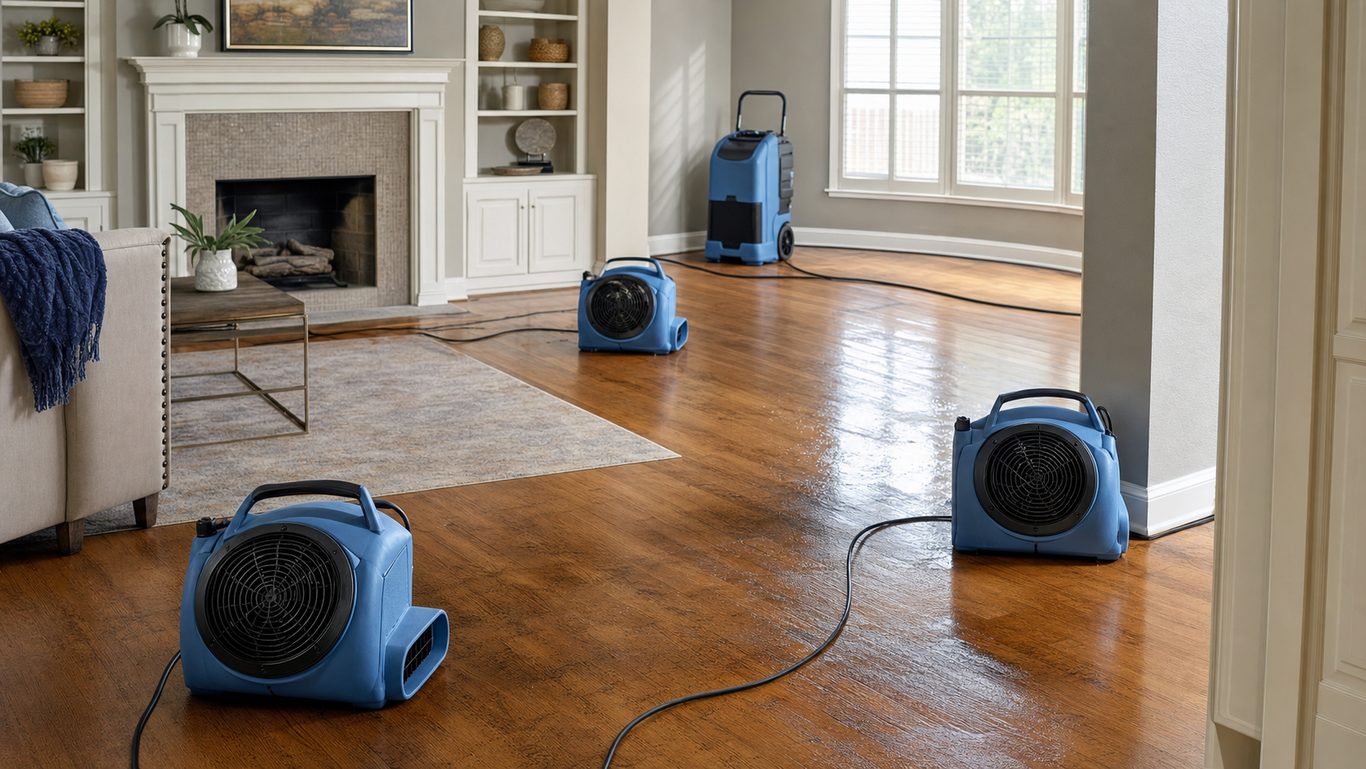
Drying equipment should run long enough to reach the target moisture condition, and readings should be taken during the process. Dehumidifiers help control moisture in the air while air movers encourage evaporation from affected surfaces. If wet insulation is present, it may need to be removed because it can hold moisture against the drywall and framing.
Homeowners should avoid spraying bleach on a ceiling stain and assuming the problem is fixed. Bleach does not dry the cavity, remove wet insulation, or repair damaged drywall. Primer and paint should wait until the affected area is dry and stable. If mold concerns are already present, Trustworthy Restoration can help determine whether water damage restoration is enough or whether a mold-specific scope is needed.
The related guide on mold removal after water damage in OKC explains why moisture control and material decisions come before cosmetic cleanup.
When should you call for ceiling water damage repair in Oklahoma City?
You should call for ceiling water damage repair in Oklahoma City when the ceiling is stained, sagging, dripping, soft, musty, near electrical fixtures, or connected to a roof, plumbing, HVAC, or appliance leak. You should also call if the stain keeps growing or returns after paint. Recurring stains usually mean the source or hidden moisture was never fully resolved.
Trustworthy Restoration helps homeowners respond before a ceiling leak becomes a larger repair. The team can inspect affected rooms, protect contents, identify moisture paths, coordinate with source-control professionals, remove unsafe materials, dry the structure, and document the process. A ceiling leak can involve more than drywall. It can affect insulation, framing, adjacent walls, flooring, furniture, and electrical fixtures.
Oklahoma City homes face several common sources: storm-driven roof leaks, attic plumbing, upstairs bathrooms, HVAC condensation, and appliance lines. The right response depends on the source, but the interior damage still needs the same basics: find the wet materials, stop further damage, dry the structure, and repair after verification.
If you need help now, start with contacting Trustworthy Restoration or review service coverage for Oklahoma City restoration services. For broader coverage, the service area page lists nearby communities, and the water damage cleanup OKC first 24 hours guide explains the early steps that protect the home.
Need help now? See our full Water Damage Restoration service page or browse all restoration services. Don't see your city above? The full Oklahoma service area covers 27 cities.
Local context for this article: see our Oklahoma City, OK restoration page and the Water Damage Restoration in Oklahoma City service page.
This guide also pairs with emergency water mitigation and mold remediation when drying is missed.
Is a ceiling stain always a sign of active water damage?
A ceiling stain is not always active at the moment you see it, but it should be treated as unresolved until the source and moisture levels are checked. Old stains can remain after a past leak, while active leaks may continue to wet the back side of drywall, insulation, or framing. Moisture readings and source inspection help separate an old cosmetic stain from an active water damage problem.
Authoritative resources referenced
Need restoration help in Oklahoma?
24/7 dispatch, IICRC standards, direct insurance billing.